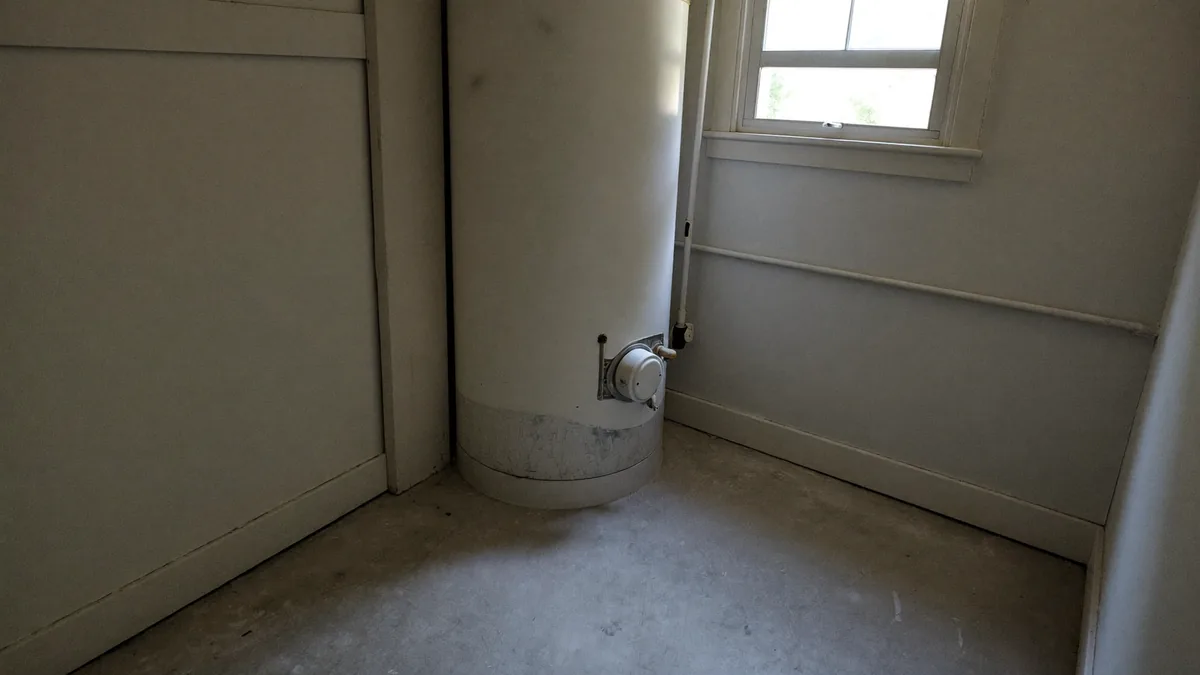
A water heater making noise is usually telling you something about the tank, the water or the valves. Popping and rumbling are most often caused by sediment collecting at the bottom of the tank, and ticking is normal metal expansion. Hissing, dripping or screeching near the pressure relief valve, or any noise accompanied by a leak, needs prompt attention.
Water heater making noise: what each sound means
Water heaters are simple machines, but they heat water inside a metal tank, so most sounds come from three sources: minerals and sediment in the tank, metal parts expanding and contracting, and water or steam moving through valves and pipes. Once you identify the sound and where it comes from, you can usually tell whether it is a nuisance or a warning.
Pay attention to where the sound is loudest. A noise from inside the tank points to sediment or the heating process. A noise at the pipes or valves points to flow, pressure or a leak. Also note whether it happens during heating, while hot water runs, or after the heater shuts off.
Popping and rumbling: sediment in the tank
Popping and rumbling are the most common complaints about a water heater making noise. Minerals from hard water settle at the bottom of a storage tank and form a layer of sediment. The burner or electric element heats the water through that layer, and pockets of water trapped under the sediment boil and form bubbles that burst as they rise. That creates the popping, crackling or rumbling you hear while the heater runs.
This is usually not an immediate emergency, but it is not harmless either. Sediment acts as insulation between the heat source and the water, so the heater runs longer to reach the set temperature. Over time, buildup can also stress the bottom of the tank. Flushing removes much of the sediment, and the noise often fades afterward. According to the U.S. Department of Energy (DOE), most storage tank water heaters last 10 to 15 years, so a noisy tank near that age may deserve a closer look.
Ticking and tapping: normal expansion
Ticking, pinging or a soft tap when the heater starts is usually metal expanding as it warms. The tank walls, the pipes and the internal parts all grow slightly when hot and shrink as they cool. You may hear the same sound when the burner shuts off and the metal contracts.
Ticking on its own is normal. It becomes a concern if it grows louder over time, or if it comes with a sharp bang when a faucet or appliance shuts off. That bang often signals water hammer, which happens when a fast-closing valve, such as one on a washing machine or dishwasher, makes water slam against the pipe. Securing loose pipes with straps and having a plumber check the pressure can help identify the source.
Hissing: condensation or a leaking valve
A hiss has two very different causes. The first is condensation. In a gas water heater, moisture from combustion gases can condense in the flue and drip onto the hot burner, producing a sizzling or hissing sound, usually at startup. This tends to stop once the flue and tank warm up, and it is more noticeable in cold weather.
The second cause is escaping water or steam. A hiss that continues after the heater is warm, especially from a fitting, a drain valve or the temperature and pressure relief valve, means something is leaking under pressure. This is the sound that needs action. Water dripping or spraying from the relief valve, or a hiss coming from it, means pressure or temperature is too high or the valve is failing.
Screeching and whistling: a partly closed valve
A high-pitched screech or whistle usually comes from water forced through a narrow opening. The most common cause is a partly closed valve on the cold water supply or the hot outlet, where the flow speeds up and vibrates the pipe. A valve that was turned down during an earlier repair, or a restriction caused by sediment in the inlet, can produce the same sound.
Check that the cold water supply valve above the heater is fully open. If the noise changes when you open a hot faucet, the restriction is likely in the plumbing or the valve, and a pro can clear it. Do not partly close a valve to quiet a noise, because that can create the same problem elsewhere in the system.
Which noises are harmless and which need action
| Sound | Usual cause | Action |
|---|---|---|
| Popping or rumbling | Sediment trapping water at the bottom of the tank | Flush the tank; have it serviced if the noise continues |
| Ticking or light tapping at startup | Metal expanding and contracting | Usually none; monitor for changes |
| Sizzle or hiss at startup on a gas unit | Condensation dripping onto a hot burner | Usually none if it stops once the heater is warm |
| Continuous hiss, or drips at a fitting | Leak at a fitting or drain valve | Act promptly; call a pro |
| Hiss, drip or spray from the relief valve | Excess pressure or temperature, or a failing valve | Act promptly; call a pro |
| Screech or whistle | Partly closed valve or restricted flow | Open the valve fully and check; call a pro if it persists |
| Loud bang when fixtures shut off | Water hammer in the pipes | Check and secure pipes; have a plumber evaluate |
Safety first
If you smell gas near a gas water heater, leave the home right away and call the gas utility or 911 from outside. Do not operate light switches, phones or appliances inside. The CPSC recommends carbon monoxide alarms on every level of the home and outside sleeping areas, which helps you catch combustion problems early.
Before opening a panel or working on wiring, turn off the power at the breaker and verify with a tester that the unit has no voltage. For gas heaters, set the gas control as the manual directs before touching any part of the burner area. Hot water also causes serious burns. According to the Consumer Product Safety Commission (CPSC), third-degree burns can occur after about 2 seconds at 150°F, 6 seconds at 140°F, 30 seconds at 130°F, and after 5 minutes at 120°F. The DOE recommends setting the water heater to 120°F, a temperature it considers safe for most of the population.
Steps to check the noise safely
- Write down when the sound happens (at startup, while hot water runs, or after shutdown) and where it seems loudest.
- Look under and around the heater for water, rust stains or damp insulation. Any wet spot points to a leak.
- Inspect the temperature and pressure relief valve and its discharge pipe for drips, moisture or mineral crust.
- Confirm the cold water supply valve is fully open, and check nearby valves for partial closure.
- If you suspect sediment, cut power or gas as described in the safety section, close the cold water supply, and open the drain valve at the bottom of the tank. Drain until the water runs clear, and watch for grit.
- Flush the tank as your model's manual describes, restore the water supply, power or gas, and listen again while the heater reheats.
When to call a professional
Call a pro if the noise comes with a leak, rust-colored or gritty water that does not clear, discharge from the relief valve, or a heater that is near the end of its expected life. Also call if flushing does not quiet popping, or if the heater takes noticeably longer to reheat. A repair that includes the valves or the tank may cost less than replacement, but that depends on the age and condition of the unit.
Relief valve discharge pipe
The temperature and pressure relief valve is a safety device, and it must never be capped or plugged. According to the International Code Council's summary of the International Plumbing Code (section 504.6) and International Residential Code (section P2804.6.1), 2021 editions, the discharge pipe must not connect directly to the drainage system and must end in an air gap in the same room. It must not be smaller than the valve outlet, must not be trapped, and must drain by gravity. The pipe must end no more than 6 inches above the floor or a waste receptor, must not have a threaded end, and must not contain valves or tees. The pipe is rated for 100 psi at 180°F. Requirements can vary by jurisdiction, so check with your local building department.
How to prevent a noisy water heater
- Flush the tank on the schedule in your owner's manual, and sooner if you regularly see grit in the water.
- Keep the thermostat at 120°F, which the DOE considers safe for most people. According to the DOE, people with a compromised immune system or chronic respiratory disease may want to keep it at 140°F.
- Keep the cold supply valve fully open, and avoid partly closing valves to reduce flow.
- Secure loose pipes with straps so they cannot knock or vibrate against framing.
- Ask a plumber to review the pressure and expansion controls if pressure spikes are common in your home.
When you compare pros for noise or relief valve work, get at least two written quotes. Check the contractor's license with the state licensing board where licensing applies, ask whether they pull permits and who pulls them, and ask what is included, such as haul-away of the old unit, code upgrades and warranty registration.
Frequently asked questions
Is a popping water heater dangerous?
Popping usually means water is boiling under a layer of sediment at the bottom of the tank. It is generally not an immediate emergency, but it reduces efficiency and can stress the tank over time. Flush the tank to remove buildup. If the noise continues after flushing, or if you see leaks or rust-colored water, have a pro inspect the unit.
Why does my water heater tick when it heats up?
Ticking is normal metal expansion. The tank, pipes and internal parts grow slightly when hot and shrink when they cool. It is usually harmless. Watch for ticking that grows louder, or for sharp bangs when fixtures shut off, since those can point to water hammer in the plumbing rather than the heater itself.
What does a hissing sound from my water heater mean?
A brief sizzle at startup on a gas unit is often condensation dripping onto the hot burner, and it usually stops once the heater warms. A hiss that continues, or comes from a fitting, drain valve or the relief valve, means water or steam is escaping under pressure. Treat that as a problem to address promptly.
Should I flush the tank myself or hire a pro?
Many homeowners can handle a basic flush if they follow the owner's manual and cut power or gas first. If the drain valve is stuck, the water is very hot, or the sediment is heavy, a pro is the safer choice. When you hire someone, get at least two written quotes and confirm what is included.
What should I do if water drips from the relief valve?
Do not cap or plug the valve. A drip can mean excess pressure or temperature, or a valve that is failing. Check that the discharge pipe is clear and meets the code requirements, and have a pro evaluate the pressure and temperature controls. Requirements vary by jurisdiction, so confirm details with your local building department.