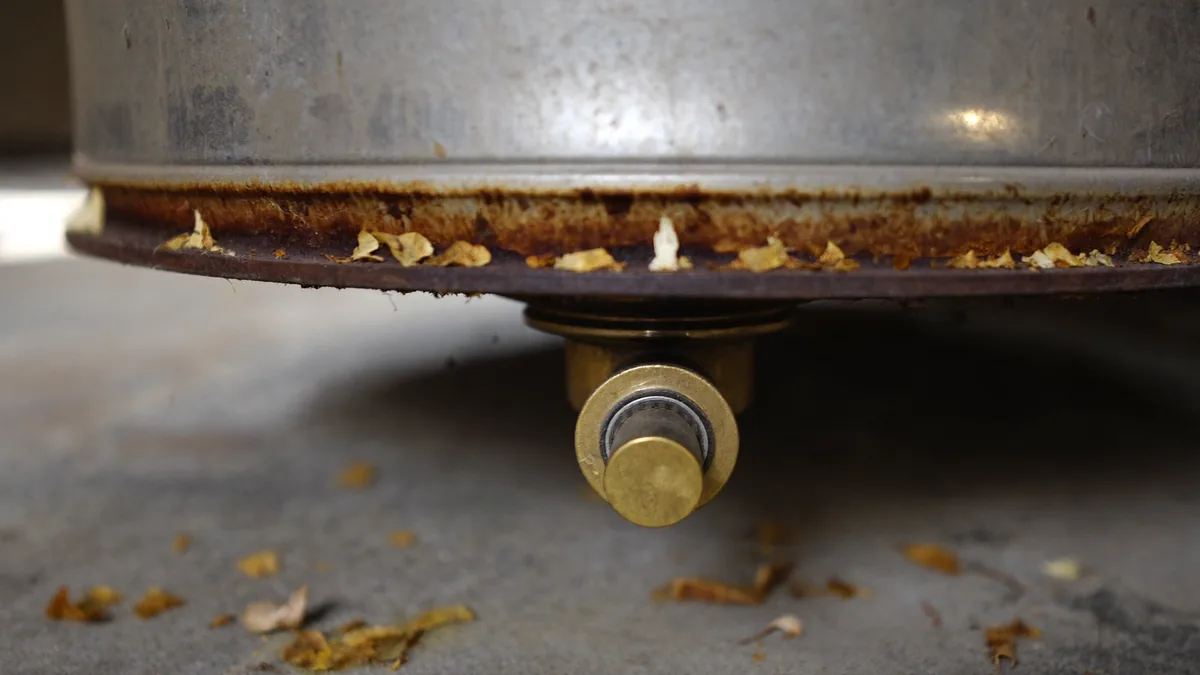
Most storage (tank) water heaters last 10 to 15 years, according to the U.S. Department of Energy, and tankless units can last more than 20. Water quality, maintenance and unit type all shift that range. If yours is near the end of it and showing warning signs, plan a replacement before it fails.
How Long Do Water Heaters Last by Type
The Department of Energy gives two ranges that cover most homes. Storage tank units, which keep a full tank of water hot all day, last 10 to 15 years. Tankless units, which heat water only when you open a tap, can last more than 20 years.
These are typical ranges, not guarantees. A tank in a dry basement with clean water may outlast one in a damp garage with hard water and no maintenance. Treat the low end of each range as the point to start paying attention, not the day the unit suddenly quits.
What Affects Water Heater Life Expectancy
Your water heater's life expectancy depends mostly on three things: the water running through it, how well it is maintained, and what type of unit it is. Each one can speed up wear or help the unit reach the upper end of its range.
Water quality
Hard water leaves minerals behind as it heats. In a tank, those minerals settle as sediment on the bottom, where they insulate the water from the burner or heating element and force the unit to work harder. Sediment also traps moisture against the tank floor, which speeds corrosion. In a tankless unit, the same minerals build up inside the heat exchanger and gradually reduce flow.
Maintenance
Maintenance is the factor you control most. Many manufacturers recommend flushing the tank at least once a year to clear sediment. The owner's manual also explains when to inspect the anode rod, a replaceable component that corrodes in place of the tank wall, and how to descale a tankless unit.
Follow the manual for your specific unit rather than a fixed schedule from a generic source. Skipping maintenance does not cause an immediate failure, but it shortens the time before sediment and corrosion start causing noise, leaks or poor performance.
Water temperature and energy use
The Department of Energy recommends setting a water heater to 120°F, a temperature it considers safe for most of the population. Higher settings can speed mineral buildup and waste energy. Water heating is about 18% of a home's energy use, according to the Department of Energy, so a unit that struggles costs you money every day.
Legionella and tempering valves
According to the Department of Energy's Federal Energy Management Program, Legionella can grow in water heaters under certain conditions. A tempering (mixing) valve set to 120°F, installed downstream of the tank, lets the tank run hotter while keeping water at the tap safe. The Department of Energy Energy Saver Guide notes that people with a compromised immune system or chronic respiratory disease may want to keep the tank at 140°F, which is one reason a tempering valve is worth discussing.
Signs It Is Time to Replace Your Water Heater
Age alone does not tell the whole story. Watch for these signs, especially if the unit is already in the older part of its expected range.
- Rusty or discolored hot water. If only the hot side runs rusty while the cold side is clear, corrosion inside the tank is a likely cause.
- Rumbling or popping noises. Hardened sediment at the bottom of a tank traps heat under it, and the water boils and pops as the burner runs.
- Water around the base. A leak from the tank body itself usually means replacement. Leaks at fittings or the drain valve may be repairable, but a pro should confirm the source.
- Hot water runs out sooner than it used to. Compare your usage with the unit's rated capacity, explained below.
- Temperature swings at the tap. Shower temperature that jumps between hot and cold can point to a failing thermostat or heavy sediment.
- A relief valve that drips often. Frequent discharge suggests pressure or temperature problems that need evaluation.
- Rising energy bills with no other cause. Heat loss and mineral buildup both make a tired unit use more energy.
Capacity: First-Hour Rating and Maximum GPM
The federal test procedure in 10 CFR 430, Appendix E, defines the First-Hour Rating for a storage unit as the estimate of the maximum volume of hot water it can supply within an hour, starting fully heated. For a tankless unit, the rating is Maximum GPM, the maximum gallons per minute of hot water it can supply. Find the rating on the unit's label or spec sheet and compare it with your household's busiest hour, such as morning showers overlapping with laundry.
The Uniform Energy Factor (UEF) measures a water heater's overall efficiency. When you compare a current unit with a replacement, a higher UEF generally means less energy used for the same hot water.
Finding Your Water Heater's Age by Serial Number
Most manufacturers encode the build date in the serial number, but the format varies from one maker to another, so there is no single rule to decode every unit. You can still get a reliable age with a few steps.
- Turn off nothing yet. Locate the rating plate, which is usually on the side or top of the tank or on the front of the tankless cabinet, and write down the serial number and model number.
- Check the serial number for a date code. Some makers use a letter for the month and digits for the year, while others use a longer string. Compare the pattern with the manufacturer's published decoding guide.
- If the code cannot be decoded, contact the manufacturer's customer support with the serial and model numbers and ask for the manufacture date.
- If you cannot reach the manufacturer, check for an install date on the original receipt, a warranty card, or past permit records from your local building department.
- Compare the result with the 10 to 15 year range for a tank or the more than 20 year range for a tankless unit.
What You Can Check Safely Today
Safety first: If you smell gas, leave the home right away and call the gas utility or 911 from outside. Avoid switches, flames and phones inside. Hot water can also scald. According to the U.S. Consumer Product Safety Commission, third-degree burns occur after about 2 seconds at 150°F, 6 seconds at 140°F, 30 seconds at 130°F, and can occur after 5 minutes at 120°F. The CPSC recommends carbon monoxide alarms on every level of the home and outside sleeping areas.
- Run a hot tap for a few minutes and look at the water. Note any rust, cloudiness or odor, and check whether it clears.
- Dry the floor and the area around the base, then check again after a day. Look for water pooling, staining or rust at the seams and fittings.
- Measure the water at a tap with a thermometer. If it reads above 120°F, lower the thermostat gradually toward 120°F and recheck after the tank reheats.
- Inspect the discharge pipe from the temperature and pressure relief valve. It should not connect directly to the drain system, should end in an air gap in the same room, and should be no smaller than the valve outlet. It should not be trapped, should drain by gravity, end no more than 6 inches above the floor or a waste receptor, have no threaded end, and have no valves or tees. These points summarize the International Plumbing Code 504.6 and International Residential Code P2804.6.1 (2021 editions) as summarized by the International Code Council. Local adoption varies, so your area's rules may differ.
- Never cap or plug a temperature and pressure relief valve. It is the unit's pressure safeguard, and a plugged valve can make a tank unsafe.
When to Replace Your Water Heater Before It Fails
A planned replacement costs less than an emergency one. A failed tank can flood a basement or utility room, and a sudden outage leaves you without hot water until someone can install a new unit. Replacing on your own schedule gives you time to compare options and schedule the work.
Consider replacing rather than repairing when the tank itself leaks, when corrosion or heavy sediment is visible, when the unit has needed repeated repairs, or when it is near the low end of its expected life and showing several of the signs above. A single inexpensive part on a relatively young unit may still be worth fixing.
When you choose a replacement, match the capacity to your household's peak use using the First-Hour Rating or Maximum GPM. Compare the UEF to judge efficiency. Ask about venting, gas supply and electrical needs before you commit, because a different type of unit may need work on the existing connections.
Finding a Qualified Pro
Before agreeing to a replacement, get at least two written quotes that list the same scope of work. Check the contractor's license with your state licensing board where licensing applies. Ask who pulls the permits and whether the work will be inspected. Check with your local building department about what your area requires.
Ask what each quote includes: haul-away of the old unit, any code upgrades, and warranty registration for the new one. Gas and electrical connections should be handled by a licensed professional.
Frequently asked questions
Can a water heater last longer than 15 years?
Yes, some units do. The Department of Energy gives 10 to 15 years as the typical range for storage tanks, so a unit that runs past that range is not unusual. Good water quality, regular maintenance and a unit that has never leaked can all help. Keep watching for warning signs, because age beyond the typical range raises the risk of a sudden failure even when the unit still seems to work.
How can you find your water heater's age by its serial number?
Start by writing down the serial and model numbers from the rating plate. Many manufacturers encode the build date in the serial, but each maker uses its own format. Check the manufacturer's decoding guide, or contact customer support with the numbers. If the date still cannot be decoded, look for an install date on a receipt, warranty card or permit record.
How often should you flush a water heater?
Many manufacturers recommend flushing at least once a year to clear sediment. Your owner's manual gives the procedure and any specific intervals for your model, and it is the best guide to follow. Regular flushing helps keep sediment from insulating the bottom of the tank and forcing the burner to work harder.
What does the First-Hour Rating tell you when you shop for a replacement?
The First-Hour Rating estimates the maximum volume of hot water a storage unit can supply within an hour, starting fully heated, based on the federal test procedure in 10 CFR 430, Appendix E. Compare it with your household's busiest hour, such as overlapping showers and laundry. For tankless units, look at the Maximum GPM instead, which is the most hot water in gallons per minute the unit can supply.
What should you do if the relief valve is dripping?
Start by noting how often it drips and whether the discharge pipe shows mineral deposits or wetness. Check the pipe against the rules in the inspection steps above. Frequent dripping suggests a pressure or temperature problem that needs evaluation soon, rather than waiting until the next scheduled maintenance. Do not wait for the leak to grow before arranging a professional look at the system.